Observation by Joey Billy
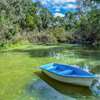
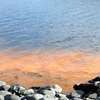
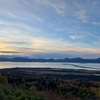
John Toopetlook and I went on a trip to Chefornak today, 07.11.2025, for a field GAP/NIC visit. Along the way I saw what seems like invasive species on lakes and ponds, I do not know. These were mostly away from the coast. Attached you will see pictures with red circles I am pointing out. The flight was between Bethel and Chefornak. We were approximately quarter of a mile from Chefornak from Bethel.
I have never seen this type of green on the lakes in all the trips I made between villages to Bethel. And this is concerning. I have not heard of anyone raising this concern to date. May you please find out more information on this and let us know? This will give us an idea of what to do next if in fact it is invasive species.
LEO Says
Thank you Joey for the observation. The color change could be related to the introduction of new (invasive) water plants into the lakes. It could also be related to changes in the lake chemistry and biology generally. Based on the comments by Thomas Farrugia (below) this may be sign of an algal bloom. This is not necessarily a new or invasive species, but rather a change in the environmental conditions, causing algae growth to explode. This may be related to temperatures or nutrient levels in the lake, among other factors. Water samples and photos of any unusual plants would be helpful in a determination.
There have been several past posts in LEO Network about algal blooms in Alaska lakes. There are also many observations about algae, and harmful algae in the marine (ocean) environment. Algae blooms are very common in lakes in some areas of Alaska. The blooms are often not harmful to people, but sometimes the type of algae or amount of algae and toxins can make swimming or drinking the water unsafe. A water sample is often required to make this determination. Another possibility is invasive plants like elodea, that can be transported by planes or wildlife. You can see some observations attached about elodea in other parts of Alaska.
The expansion of algal blooms to new lakes in Alaska would be an important sign of environmental change. Algae blooms are indicators of the condition of lakes, and healthy lakes are important for wildlife and people. Algal blooms can reduce the amount of dissolved oxygen in a lake, and cause fish die-offs. Lake water with a lot of algae, can require additional treatment to make it drinkable. Sometimes the algae can produce toxins. When this happens, swimming in these waters can cause a variety of health problems, see CDC link attached. LEO Network recently connected with Thomas Farrugia from the Alaska Harmful Algal Bloom (AHAB) Network, who provided some insights on algal blooms. For more information about algal blooms in Alaska, visit the AHAB Network in the sidebar links. We have also shared this observations with LEO Network members at the Yukon Kuskokwim Health Corporation, and the Yukon River Intertribal Watershed Council.
Consult by Thomas Farrugia
I do think that looks like a cyanobacterial bloom to me, but like I said, I am not an expert in those. The presence of these blooms also doesn't necessarily mean that they are producing toxins. Water samples would be helpful.
Consult by Alyssa Leary
I thought I had seen algae growing in tundra ponds recently when I was flying as well in another area. Keep us in the loop if there is justification/opportunity for testing and we can assist in any way.
AI Comment from GPT 4.1:
Several previous LEO Network observations have described unusual green coloration in lakes, frequently linked to algal blooms associated with changes in water temperature or nutrients, rather than directly to invasive species. For example, in Kongiganak, a bright green patch was attributed to a likely algal bloom. Similarly, lake weed growth and changing aquatic vegetation have been observed in Aleknagik, possibly tied to warmer temperatures.
There have also been several posts tracking the spread and management of the invasive aquatic plant Elodea in Interior Alaska, including Chena Slough, Piledriver Slough, Harding Lake, and Lake Hood. These observations discuss persistent infestations and ongoing eradication efforts, but do not mention bright green discoloration of water.
Overall, past LEO posts suggest that both increased algal blooms and the spread of invasive aquatic weeds are being noticed more frequently in Alaska, often in connection to broader environmental changes. However, specific identification—such as distinguishing an algal bloom from new invasive plants—typically requires water sampling and expert input, as recommended by experts in the current post and in related observations.