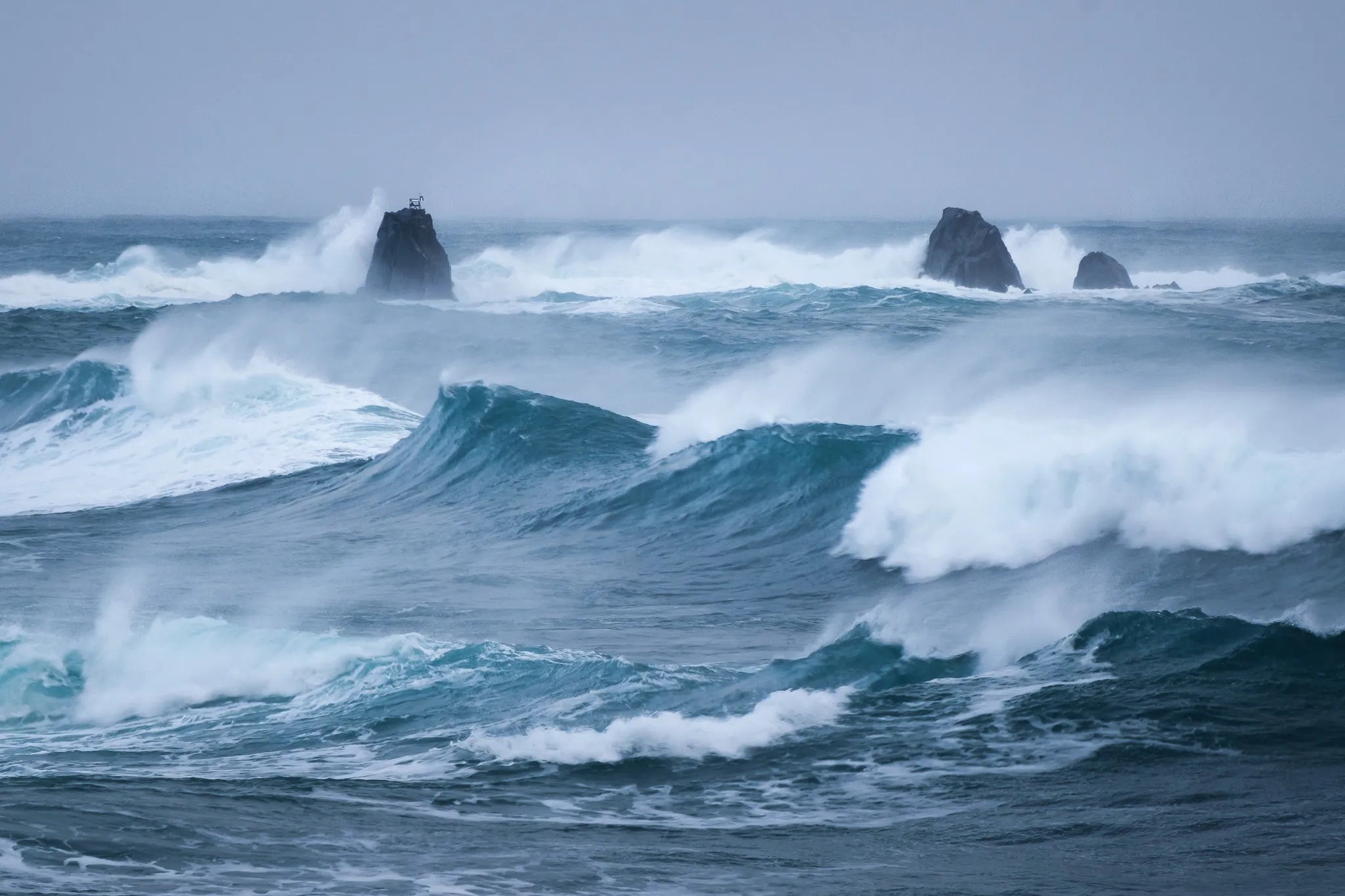
The National Oceanic and Atmospheric Administration has declared this year to be an El Niño year based on conditions in the Pacific Ocean. This means that southern Alaska can expect slightly higher temperatures and more storms, particularly around the Gulf of Alaska. The effects of El Niño will be more noticeable in the fall when storm activity increases. The University of Alaska Fairbanks' climate specialist explains that even small temperature variations near the equator can impact weather patterns globally, as they can influence the flow of the jet stream. However, it is important to note that weather can be unpredictable, and El Niño is just one factor that forecasters consider. El Niño conditions typically last nine to 12 months, but it could dissipate as early as spring of the following year.
|
|
Pacific Ocean |
 Observations From Members