|
|
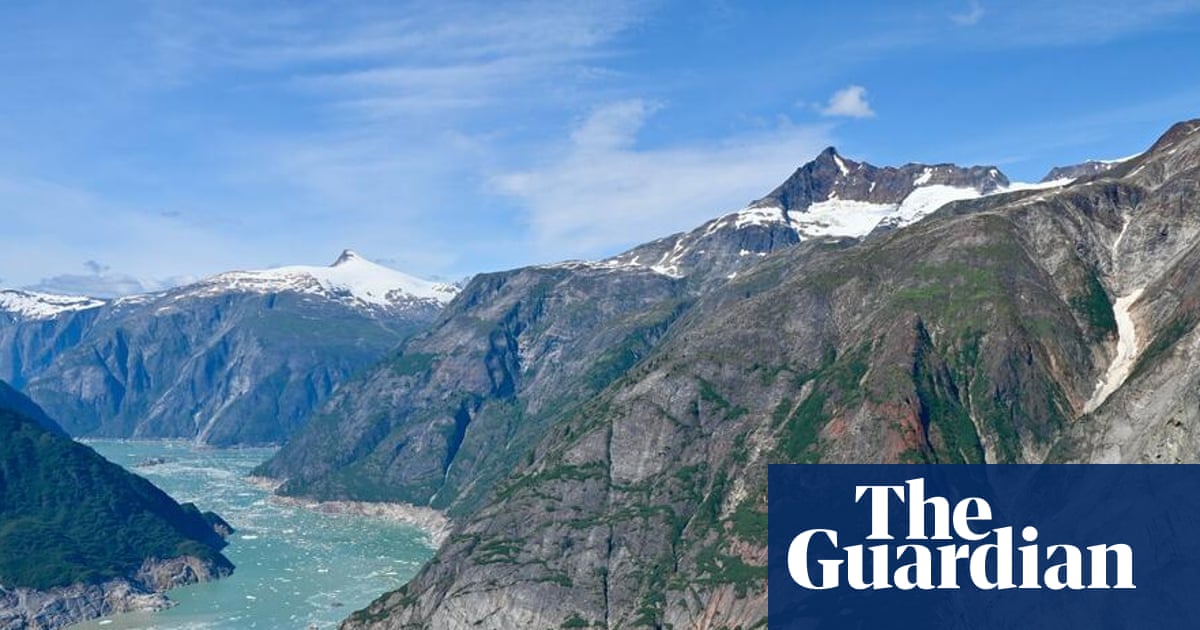
Tracy Arm |
The close call in Tracy Arm 50 miles south of Juneau on 10 August is the latest sign that as glaciers melt, risks may rise
AI Comment from GPT 5:
Thanks for assembling these details. A few related LEO posts help place this Tracy Arm event in context:
Fjord landslide–tsunami analogs
As a mountain crumbled Sunday, Alaska experienced its largest landslide-caused tsunami in a decade documents the same Tracy Arm event’s seismic reach (picked up >600 miles away) and characterizes it as the largest landslide-caused tsunami in Alaska in a decade, aligning with the scale described in the post.
Outside Alaska, Karrat Fjord, Greenland Landslide & Tsunami shows how large rock avalanches into glacial fjords can generate “megatsunamis,” with runups over 90 m and evidence of prior slope instability. That post notes the cause was not known but that melting of ice and rock-ice mixtures may have contributed.
Rainfall-triggered landslides in Southeast Alaska communities
At least 3 dead in Wrangell after landslide destroys homes reports a fatal November 2023 slide following a major rainstorm; state geologists warned of ongoing risk during saturated conditions.
The follow-up Alaska state geologists’ report on fatal landslide in Wrangell cites heavy rainfall as trigger explicitly identifies heavy rainfall as the trigger and highlights the need for expanded landslide-risk studies.
In Juneau, Downtown Juneau apartment building evacuated following landslide (July 2024) and City set to begin cleanup after landslide (Sept 2022) both describe non-fatal slides associated with heavy rain and precautionary evacuations/cleanup.
Longer-term context and preparedness
Juneau’s deadliest landslide tore through downtown like a ‘mighty grinder.’ Now it’s a fading memory. recounts the 1936 disaster, notes that areas with past slides remain likely locations for future ones, and discusses recent changes to local hazard mapping.
In the wake of Haines’ 2020 Beach Road failure, Changing climate means more landslides in future, scientists say in wake of Haines disaster reports scientists’ warnings that warmer, rainier winters are likely to increase landslide frequency in Southeast Alaska.
New dashboard warns Sitkans of landslide risk describes a prototype system that provides short-term landslide risk forecasts, an example of operational tools being tested in the region.
Taken together, these posts show two overlapping patterns relevant to the Tracy Arm event: frequent, rain-triggered landslides affecting communities on steep coastal slopes, and rare but very large landslide-generated tsunamis in glacial fjords. The post notes it is too early to identify a trigger for Tracy Arm, but it highlights hypotheses under discussion near retreating glaciers (such as de-buttressing and permafrost thaw) alongside recent rainfall—consistent with the broader themes in the related observations above.
 Observations From Members