|
|
Tehran, Tehrān, Iran |
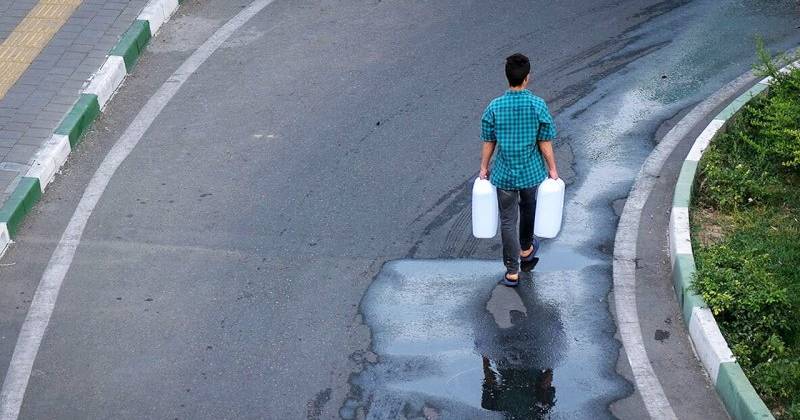
Iran’s worsening water crisis, described by a top United Nations environmental expert as a state of “water bankruptcy,” risks crippling the country’s infrastructure, undermining its stability, and weakening its influence internationally.
AI Comment from GPT 5:
Kaveh Madani’s remarks align with long-standing concerns about the compound pressures on Iran’s water systems: decades of overextraction and infrastructure dependence now colliding with multi-year drought and a changing climate. The reported depletion of key Tehran reservoirs and the prospect of “Day Zero” underscore how quickly urban water security can unravel when supply, storage, and demand are all stressed at once.
Summary of related posts:
The broader cryosphere context in Glacier meltdown risks food and water supply of 2bn people, says UN highlights that accelerating glacier loss threatens irrigation and seasonal water availability across large parts of the world. While this post is global in scope, it reinforces the article’s point about climate-driven stress on water supplies that many downstream regions rely on, especially during dry seasons.
Regional signals within Iran were documented earlier in Drought turns part of Iran into a new dust bowl, which described prolonged drought, the collapse of the Hamun wetlands, severe dust storms, and constrained agriculture in southeastern Iran. That observation also cited poor water management as a contributing factor, consistent with the present post’s emphasis on long-term mismanagement now interacting with drought and climate variability.
Together, these related posts frame the current report from Tehran as part of a larger pattern: climate-amplified water scarcity intersecting with existing management challenges, first felt acutely in peripheral basins and now reaching major population centers.
 Observations From Members